
HAVING a mental illness is a bigger barrier to employment than physical disability, new research has revealed.
Research commissioned by not-for-profit jobs provider WISE, as part of last week’s Mental Health Week, found there was a stigma about employing people with a mental illness. They could be unreliable and disruptive, half the respondents believe.
The McNair Ingenuity Research survey of 253 small and medium-sized businesses revealed 32 per cent said they would be likely to employ a person with a mental illness, compared with 46 per cent for someone with a physical disability.
And 35 per cent said they would be unlikely to employ someone with a mental illness – with “unpredictable behaviour” cited as the top reason why they would not be hired.
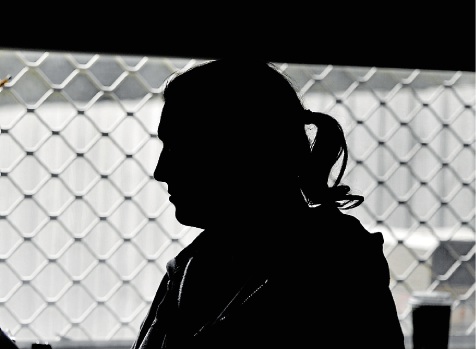
Werribee resident Jay (not her real name) said that during two years of unemployment, she found stressful job interviews and clinical anxiety didn’t mix.
The 25-year-old woman, who suffers from anxiety and panic attacks, said prospective employers probably picked up on some telltale signs.
“Say I’ve got an interview; it’s more visible and noticeable, because when I get nervous I rub my hands together and there could be a shortness of breath.”
Jay got a job as a waiter at a Hoppers Crossing cafe last month through the help of a jobs agency, which she said eased the stress of looking for work on her own.
WISE Werribee manager Peter Gallagher said the research results highlighted widespread negative perceptions of mental illness that did not match the reality.
“Out of our 250 job seekers, about a quarter would be known to have a mental disability, including bipolar, autism spectrum, depression and anxiety, and often a person with a mental illness could be the best person for the job,” he said. “We want employers to broaden their thought process.”