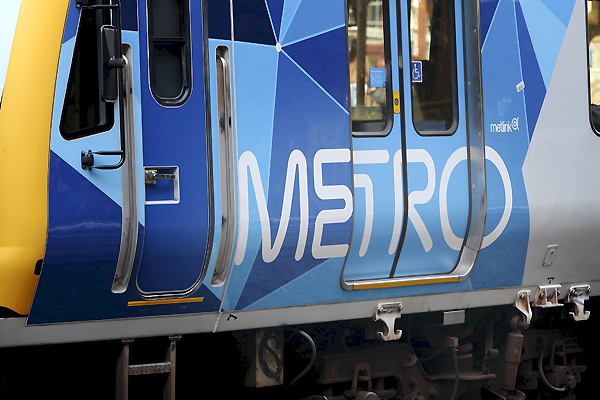
OVERCROWDING has worsened on the Werribee line despite extra trains boosting peak-hour capacity, new figures reveal.
The latest passenger loading surveys from the Transport Department show peak-hour trains are struggling to keep pace with patronage. Four new services were added last year.
The surveys showed six services running above-capacity during the morning period, up from three last year, and six above-capacity in the afternoon, up from five.
Trains with more than 798 passengers in peak-hour are considered crowded. The rate of passengers on crowded peak-hour Werribee trains rose from 21 to 36per cent in the morning, and from 38 to 42per cent in the afternoon.
Western Metropolitan Greens MP Colleen Hartland said the figures were evidence Premier Ted Baillieu was reneging on his election promise to fix public transport.
“The western suburbs are the fastest-growing region in Melbourne, yet we have the worst public transport,” she said. “We’re fast-approaching two years of the Baillieu government and things are just getting worse, as this overcrowding survey confirms.”
Point Cook commuter Peter Knight rides the rail into the CBD every weekday. Instead of driving to Hoppers Crossing, Aircraft or Laverton stations, Mr Knight drives 20 minutes to Werribee because it’s the only way he can to get a seat.
“If we get on at Hoppers, which is the second on the line, it’s already full,” he said. “I see people not bothering to even get on at Laverton and unable to get on at Newport nearly every morning.”
Mr Knight said the government needed to improve the Werribee line as population growth continued to outstrip services. “I only moved here seven months ago, so I’m part of the problem,” he said. “There are so many people moving in and the infrastructure can’t deal with it. A few extra trains aren’t enough.”
Mr Baillieu said the new $5.3billion Regional Rail Link, which is the final phase of construction, would help untangle metropolitan and country rail lines, free up track space for additional services in the city’s west and help cater for more commuters by 2016.