
FARMERS in Werribee South are urging the state government to fix long-running irrigation issues they say could spell the end of the market garden district.
Vegetable growers say the future of Melbourne’s closest food bowl is limited, with water prices nearing $300 a megalitre, about five times higher than many other parts of Victoria.
Committee for Wyndham executive director Nik Tsardakis said old drainage infrastructure using open channels meant about one-third of water was lost through seepage and evaporation.
“It’s an absolute waste to allow that to happen and there hasn’t been a proposition about when any improvement in the delivery system will take place,” he said.
Mr Tsardakis, who owns farms in the district, said sealing the channels with plastic lining would cost up to $40million.
“The importance of the Werribee South irrigation district is going to lessen very quickly unless the government wants to make some capital improvements.”
The Werribee Irrigation District has 150 farms that grow 85per cent of the state’s cauliflowers and 50per cent of its broccoli, along with some cabbage and lettuce crops. It has an annual market value of about $200million.
Southern Rural Water supply manager Ed Smith attributed high water costs to the fact that so few farmers were using water from reservoirs at Pykes Creek, Melton and Merrimu.
“The costs associated with maintaining three dams … and the relatively small number of customers means that the water is quite expensive when compared to other irrigation districts in Victoria.”
Mr Smith said a proposed 1.4per cent price hike from 2013-18 would go towards some modernisation work.
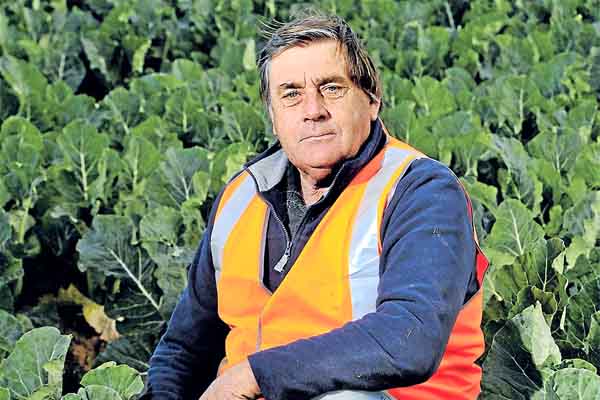
Cauliflower grower John Zausa said if the government wanted to retain the region as a food bowl, substantial investment was needed.
“Small growers down here are finding it tougher. I haven’t got plans to leave, but the last time they spent money down here was in the ’50s when they lined the channels … nothing’s changed since I was a child,” he said.
Mr Zausa said improved rainfall had allowed the region to return to using river water, but irrigators lived in constant fear of drought because no plans had been put in place to reduce excessive salt levels in the back-up supply.
Recycled water reserves from the Western Treatment Plant, almost twice as salty as the level growers are comfortable with, has previously damaged soil and crops.
“I know there’s not enough water and recycled water has to be a part of our business, but the quality of it is the scary part,” Mr Zausa said.
Mr Smith said plans were in place to reduce salinity by providing Werribee South with access to urban water if the district again became reliant on recycled water.
Water Minister Peter Walsh said irrigators should make submissions to Southern Rural Water’s capital works program but he would not commit to more government money.