
COUNCILS in growth areas like Wyndham should seek private investors to finance roads and critical infrastructure, according to the housing development peak body.
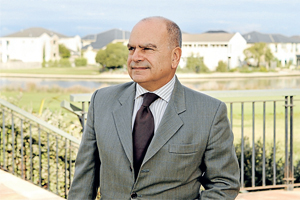
Urban Development of Australia state director Tony De Domenico said Point Cook was a prime example
of how soaring population growth had quickly outstripped infrastructure, prompting calls for councils to borrow money they need.
He said infrastructure bonds would allow investors to put a portion of their savings into major projects. Councils could repay the borrowed money incrementally, recouping costs from ratepayers.
“This is about borrowing, but here in Victoria we seem to have an aversion to borrowing money,” Mr De Domenico said.
“Having the community pay for infrastructure is a great concept, and it means we don’t just slug the first home buyer in Truganina.”
For a land sale worth $199,000, about $23,000 (12per cent) goes on federal taxes, $16,800 (8per cent) on state charges and levies, while $5900 (3per cent) is council rates and charges.
Mr De Domenico accused Wyndham Council of hindering housing construction by charging excessive developer contributions and failing to cater for growth. “We’ve got all these estates going up, developers do them up and build community facilities, but then you’ve got a choked road getting from Point Cook to the freeway.
“The infrastructure should be put in first, then the people should follow.”
Cr John Menegazzo said it was “laughable” to suggest Wyndham wasn’t pulling its weight when it came to providing infrastructure.
“We have the highest capital expenditure out of any council, and we’ve been proactive with a 10-year capital works budget. And let’s face it, the biggest problems out here are state government problems, like our roads infrastructure and public transport.”
While agreeing infrastructure bonds could help with Australia facing a $100billion infrastructure
shortfall while billions of dollars sat in self-managed superannuation funds, Cr Menegazzo said bonds should be looked at by state and federal governments, not councils.