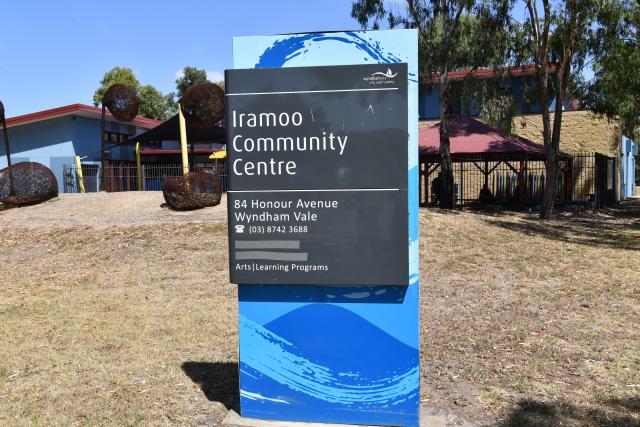
The Iramoo Community Centre has joined forces with other neighbourhood houses in a campaign calling for increased funding from the state government.
One of the core focuses of The 2026 Neighbourhood Houses Budget and Election Campaign is for state funding to neighbourhood houses to increase 25 per cent.
Centre manager Renae Paul said increasing costs of goods and services needed to run Iramoo makes the boost a necessity.
“Iramoo Community Centre, like many neighbourhood houses in Victoria, relies on neighbourhood house funding to cover staff wages, operational costs and support community programs,” Ms Paul said.
“But due to inadequate indexation over many years, neighbourhood houses are struggling to keep up with the costs.
“Demand for services continues to grow, especially with the cost-of-living increases, yet funding has not kept up with the real cost of delivering inclusive, responsive and high-quality community support.”
With more funding, Ms Paul said the Wyndham Vale-based centre would be able to expand existing programs and introduce new ones that respond to the changing needs of the area.
“This would include more affordable programs, increased support for people experiencing isolation or financial stress, stronger wellbeing and mental health-focused programs, and more opportunities for learning, volunteering and social connection,” she said.
“A funding boost would ensure our services remain accessible to everyone, regardless of their circumstances.”
Ms Paul said the centre needs stable, long-term funding outlines to help service a rapidly growing community with diverse needs.
“This includes funding that keeps up with wages, utilities, insurance and program delivery so we can retain skilled staff, maintain safe and welcoming spaces, and continue offering affordable and accessible programs.
“Reliable funding would allow us to plan long-term, respond quickly to emerging needs and expand services for people experiencing isolation, financial stress or other challenges.
“Properly funded neighbourhood houses are not just a service, they are a long-term investment in healthier, more connected communities.
“When people feel supported, included, and empowered, the whole community benefits.
“Ultimately, we need the resources to keep doing what we do best, supporting connection, strengthening partnerships, wellbeing and inclusion for people who rely on our services every day.”
The state government was contacted for comment.