
WYNDHAM
Home » News » Monash scientists to research dementia by “lighting up” brain cells

Monash scientists to research dementia by “lighting up” brain cells

A team of Melbourne scientists have been supported by the Commonwealth Government’s Medical Research Future Fund (MRFF) Stem Cell Therapies Mission to develop new safer and more effective medicines for dementia.

The $953,751 grant will enable the Monash Institute of Pharmaceutical Sciences (MIPS) team to “light up” human brain cells to observe activity and, ultimately, pinpoint new drug-like compounds with longer-term potential of translating into new medicines to manage symptoms associated with dementia.

Dementia is the second leading cause of death of all Australians and the leading cause of death for Australian women, with the number of people living with dementia expected to double in the next 30 years without significant intervention.

Traditionally, neuroscience drug discovery has high failure rates which is in part due to relying on poor model systems for human brain disorders.

The MIPS team will address this challenge by developing new methods to light up human brain cells to measure the real-time activity of proteins directly linked to dementia.

The program’s lead chief investigator, Associate Professor Karen Gregory said new effective and safer medicines are needed to manage the different symptoms experienced by people living with dementia.

“Our goal is to create new and improved human brain cell-based models to reliably and more rapidly identify novel drug candidates with the best chance of becoming future new medicines” Associate Professor Gregory said.

“The MRFF grant will enable us to develop a range of methods including using mRNA delivery of fluorescent biosensors to measure real-time activity from different locations inside human brain cells.”

Additionally, the team will use specialised lab-grown brain cells made from human cells to help them study dementia. They will use ‘fluorescent chemical probes’ (glowing dyes) to look at changes in two key substances in the brain: tau, a protein implicated in dementia and other neurodegenerative diseases, and amyloid, which is often found in people with Alzheimer’s disease.

Dr Lauren May, also a program chief investigator from MIPS, said dementia is a broad term used to describe a group of neurodegenerative conditions characterised by gradual impairment of brain function which can greatly impact quality of life for those living with dementia.

“Dementia is associated with many symptoms which can have a significant impact on the lives of people living with dementia,” Dr May said.

“These symptoms include impact to memory, speech, cognition and mobility. We’re excited to have support from the government to embark on much-needed new ways to discover safer medications to more effectively manage the symptoms of dementia.”


Digital Editions


  • EPA puts brands on notice over packaging waste

    EPA puts brands on notice over packaging waste

    Environmental Protection Authority Victoria (EPA) has lost patience with companies that fail to show how they are reducing packaging waste, warning they risk significant penalties…

More News

  • Shopping help for heart health

    Shopping help for heart health

    The Heart Foundation and the nutrition platform No Money No Time have launched a new partnership to help residents in the northern and western suburbs manage rising grocery costs while…

  • Major works to cause delays

    Major works to cause delays

    Major infrastructure projects will cause significant travel disruptions across Melbourne’s northern and western suburbs throughout the autumn months as construction enters key phases on several road and rail removals. Commuters…

  • Sporting opportunities for young inmates

    Sporting opportunities for young inmates

    The Victorian Government has announced an expansion of the Twinning Project to the Ripley Unit at Marngoneet Prison. This initiative, which focuses on young men aged 18 to 25, is…

  • New anti-gang movement

    New anti-gang movement

    The Victorian Government has announced a $1 million investment into a new anti-gang program aimed at preventing the recruitment of young people into criminal networks. Managed by the Violence Reduction…

  • Falcons to go again

    Falcons to go again

    Purchase this photo from Pic Store: 495489 City West Falcons’ championship side is back for the Victorian Netball League season, but fans should expect a glimpse of the future. The…

  • Australia Day ALGA ask dropped

    Australia Day ALGA ask dropped

    Purchase this photo from Pic Store: 255196 Wyndham council has decided to not ask the federal government what it should do on Australia Day. On Tuesday February 24, councillors debated…

  • Sod turn on a new chapter

    Sod turn on a new chapter

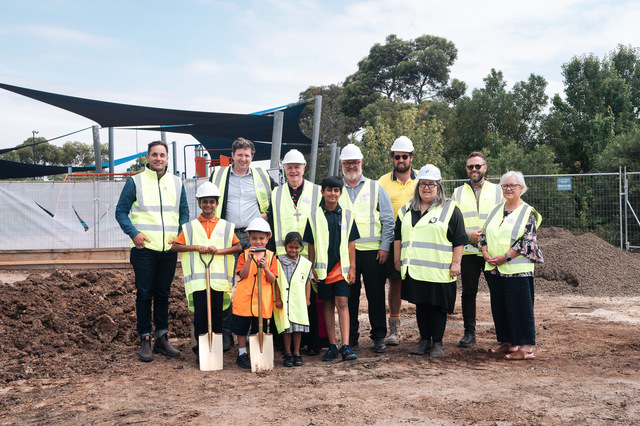
    Our Lady of the Southern Cross Primary School turned the page – or soil – on a new chapter on Thursday 26 February. Students and distinguished guests joined in a…

  • Wyndham Basketball and Junubi join forces

    Wyndham Basketball and Junubi join forces

    Wyndham Basketball Association (WBA) and Junubi Wyndham, a community group that supports South Sudanese youth and their families, have announced a working partnership. The partnership is set to strengthen Junubi’s…

  • Rec centre back on wish list

    Rec centre back on wish list

    Purchase this photo from Pic Store: 255196 An indoor basketball centre in Point Cook is back on Wyndham council’s advocacy agenda. At the Tuesday 24 February council meeting, Cr Susan…

  • Step into the dark

    Step into the dark

    A different way of being entertained is coming to Werribee in March with Transmission – into the dark. The sell-out hit of Melbourne and Adelaide Fringe involves audiences embarking on…