As the festive season approaches and many Victorians plan their summer getaways, firefighters are urging residents from Melbourne’s western and northern suburbs to exercise extreme caution. Many beloved holiday spots across the state are situated in areas of heightened fire risk, and authorities want families to be aware of conditions to safeguard their loved ones before hitting the roads.
CFA Chief Officer Jason Heffernan noted that while they want holiday-goers to enjoy the incredible places Victoria has to offer, those travelling close to parks, reserves, open grasslands, or paddocks need to remain alert and stay informed.
Despite above-average rainfall in parts of the state during October and November, the Bureau of Meteorology outlook predicts hotter and drier conditions, which can quickly dry out vegetation. This means significant fires are a real possibility towards the end of December and into January 2026. Whether spending Christmas on the Mornington Peninsula, celebrating New Year’s in Eildon, or visiting family in the Yarra Ranges, it is important to be aware of the fire risk in your destination.
Mr Heffernan encourages Victorians to prepare before enjoying their much-needed break. “You may be travelling to an unfamiliar area and it’s important to understand the fire risk of your holiday location. Now is not the time to become complacent,” he said.
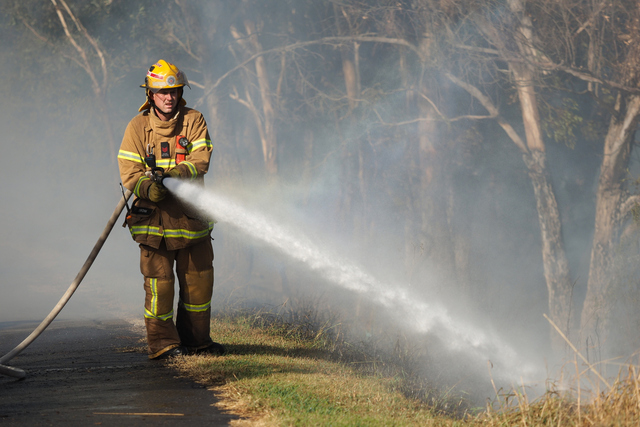
After a flurry of activity to start the fire season with large grass and bushfires breaking out, particularly in the north-west and north-east of the state, it’s crucial to remember that fire safety is a shared responsibility. Heffernan highlights the speed of the danger: “Grassfires can move at speeds of up to 25km per hour, faster than you can run, and they can jump highways in the right conditions.”
The CFA Chief Officer confirms that they have already seen some large grassfires this season, and Victorians must stay vigilant, have a fire plan in place, and be ready to act. “Bushfires and rural grassfires do impact built-up areas, so it really is everyone’s responsibility to be fire ready,” he stated. Recent growth across pastures, woodlands, and roadside reserves has created unbroken stretches of dried grass along many roadsides, increasing the chance of roadside fires.
Heffernan also advises against driving into danger: “It is also important not to drive if you can see smoke or fire. Thick smoke will make it hard to see and make accidents more likely.”
Visitors should learn about the area they are travelling to and monitor the Fire Danger Ratings every day throughout summer. Victorians are urged to download the VicEmergency app and set up watch zones for the location they’re visiting.
Authorities stress the importance of pre-planning, particularly concerning travel on high-risk days. Reconsider your travel on days of Extreme Fire Danger Rating, and absolutely do not travel to bushfire risk areas on days of Catastrophic Fire Danger Rating. Heffernan warns, “Your life may depend on the decisions you make during a Catastrophic day.”
Download the VicEmergency app for real-time updates about emergencies across Victoria or visit www.emergency.vic.gov.au.
Reconsider travel through bushfire risk areas on ‘Extreme’ days and do not travel to bushfire risk areas on days of a ‘Catastrophic’ Fire Danger Rating.
For all travel safety tips, visit: https://www.cfa.vic.gov.au/plan-prepare/before-and-during-a-fire/leave-early/staying-safe-when-you-travel