National Seniors Australia (NSA) has released new research into the annoying and contradictory assumptions made about older folk.
More than 2,000 people aged 50 plus shared their views on assumptions that annoy them about older people’s bodies, brains, values, lifestyles, and more.
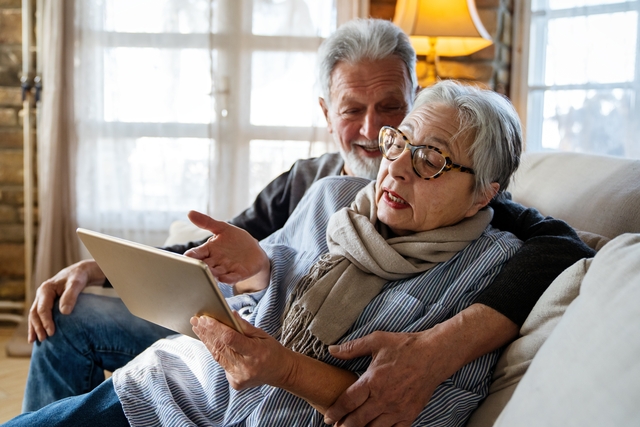
Some people objected to the stereotypes of older people as frail and incapable, bad with technology, resentful of change, or unable to contribute to society.
Such assumptions were countered with comments about older people’s “enormous unpaid contribution to society and economy”, the fact they “still want to be a punk rocker”, or their “lifelong history of protest”.
Other people objected to the counter-stereotypes that older people are all fit, technology savvy, and excited about change.
As one person wrote, “I feel that society is impatient with the slowness of older people.”
NSA head of research Dr Diane Hosking said the research reinforces older people are extremely diverse and while some are sharper and fitter than ever, others do need support and consideration.
“The research shows how ridiculous it is to make assumptions about people based on age,” Dr Hosking said.
Objections to assumptions about Baby Boomers were common as well. Such assumptions include the contradictory ideas that Baby Boomers hoard wealth or are conversely a “drain on the public purse”.
Some Baby Boomers shared stories of struggling financially during their lives – especially those who didn’t earn superannuation for much of their working lives because of their age, gender, or profession.
“Older people don’t stop being our diverse selves just because we age,” Dr Hosking said.
“More than a third of Australia’s population is aged 50 plus. Like any large group, it is full of very different people. We were different from each other when we were 20 and we’re still very different now.
“Part of recognising diversity in ageing is accepting that declines in body and mind can come with age and adapting to ensure new needs are met. It is also about respecting people’s values, preferences, and lifestyle expectations, and enabling people to age in the way that’s right for them.”