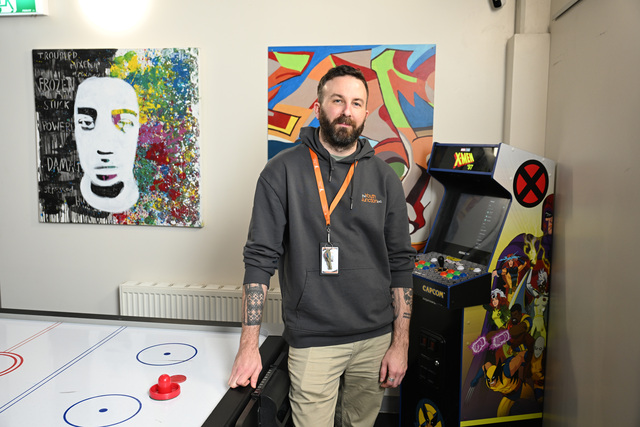

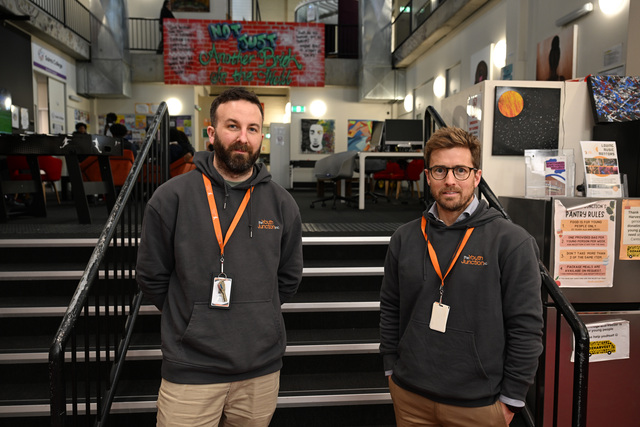

Youth crimes involving edged weapons have been on the rise in Melbourne, with a state government ban on the sales and possession of machetes coming into full force next month. A youth services organisation in Melbourne’s west is addressing the issue through an early intervention program. Sam Porter spoke to The Youth Junction program manager Eamon, whose last name has been omitted for security reasons, to learn more.
A new educational program aimed at reducing youth weapon offending has officially begun in Melbourne’s western suburbs.
The ‘sharp choices – bladed weapon diversion program’ is designed to address underlying risk factors for offending youth and empower young people to make safer, informed choices through educational modules and ongoing case management.
The Youth Junction program manager, Eamon, helped develop the program and said the organisation wanted to be mindful of the experiences of young people when identifying the need for intervention.
“We didn’t want to come at it through a punitive, telling-off almost, disparaging young people for carrying weapons. They might have very sincere and very real fears, and so that might be a motivating factor for them,” Eamon said.
He said the reasons why young people carry weapons differ from person to person.
“I’d be hesitant to contribute it all to one or even two specific factors because in our own experience – supporting young people that we know and who have disclosed to us that they’re carrying weapons – the reasons they do so vary so much from young person to young person.”
Eamon said for some young people, carrying a weapon was about feeling a sense of bravado and machismo, and for others, a weapon helped make them feel safer when they were scared.
The presence of edged weapons in a young person’s peer group is also a contributing factor in determining whether an individual might carry one.
“The research shows that even just the perception that someone in a peer group is carrying a weapon makes it exceedingly more likely that another young person in that group will as well. The social proliferation of weapon carrying is tremendous,” Eamon said.
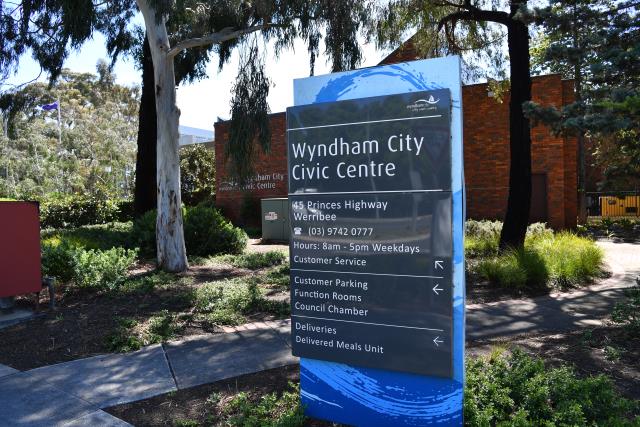
‘Sharp choices’ benefited from a $35,000 grant from Wyndham council, which helped to expand the program.
Participants enter the ‘sharp choices’ program through a referral process and begin by attending one-on-one sessions with a case manager.
After focussing on the individual’s risk factors and supporting the young person on their own for a period of time, case managers bring the participant into group sessions consisting of four to six young people.
In these group sessions, participants work through various modules, some of which focus on building communication skills and empathy.
In an introductory module, facilitators assist in creating social cohesion within the group and work with participants to help them each identify their personal strengths.
“A big risk factor is [individuals] not being aware of their personal strengths … how can we use those personal strengths in our lives,” Eamon said.
One particular module led by West Justice, an organisation that offers free legal services in Melbourne’s west, focuses on increasing legal awareness around the possession of weapons.
“[A weapons possession charge] affects travel, future employment, educational opportunities, all those things. So we really wanted to have a session set aside with a legal representative where they can go through that with young people … really trying to make those abstract concepts of impacts in the future approachable and digestible and understandable to young people,” Eamon said.
Another major component in the program is the inclusion of virtual reality (VR) immersive experiences.
In these VR POV (point of view) experiences, participants make decisions in realistic scenarios they may encounter in their daily lives.
The VR experiences are the works of Virtual Decisions, a creative arts and educational technology company based in Birmingham, England.
Virtual Decisions has created a range of VR programs designed to address issues such as reintegration into society after prison, alcohol and illegal drug usage, youth violence, coercion and child criminal exploitation, among others.
The program about knives explores why young people carry edged weapons and the consequences of carrying knives.
Eamon highlighted the VR simulation does not show weapons or violence to participants.
Virtual Decisions chief executive Claire Downes said the company’s immersive VR programs allow individuals to experience the consequences of their actions in a safe environment.
“The effectiveness of Virtual Decisions’ immersive programs in reducing reoffending rates stems from their ability to engage participants emotionally, develop essential life skills, and provide personalised, supportive learning environments,” Claire said.
“By addressing the underlying issues that contribute to criminal behaviour, these programs empower individuals to make positive changes and reduce the likelihood of reoffending.
“Overall, the response from participants after completing the Virtual Decisions programs has been overwhelmingly positive. They report increased self-awareness, enhanced skills, and a strong motivation to change their behaviours, contributing to their long-term commitment to reintegration into society.”
Eamon said the length of time a young person spends in the ‘sharp choices’ program depends on their specific needs.
“We don’t want to create a situation where a young person really learns they can depend on us for support, and then we kind of yank the rug out from under them at the end of, say, three months,” Eamon said.
“We really want to empower young people and not cut them off before they’re ready to be a bit more independent with themselves and how they approach support services and things like that. We’re pretty flexible with that.”
‘Sharp choices’ will be evaluated by Victoria University (VU), which has assessed other programs run by The Youth Junction.
“We’re really excited that we’re going to be able to get VU to help us unpack the program, see what worked, see what we can improve on, and then build the evidence base for our programs and how we support young people,” Eamon said.
“We’re hoping to keep expanding it and growing it, and really get into more of an early intervention space where [individuals] may not have existing links with the justice system yet.”