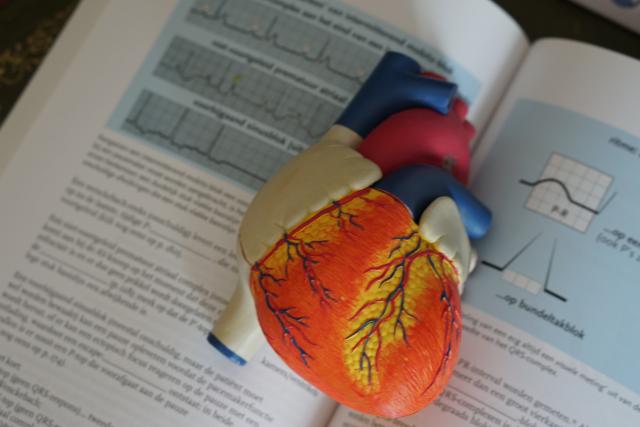
With cost-of-living pressure increasing in recent years, stress has become the silent epidemic of modern life – and it’s quietly breaking our hearts. Health experts warn that chronic stress is compromising how our hearts function, increasing the risk of cardiovascular disease, heart attack and even sudden cardiac events.
Recent national data shows that nearly half of Australians say financial worries are the biggest factor affecting their wellbeing, while more than a third of workers report feeling burnt out every week.
“Most people think of stress as emotional or mental, but the heart feels it too,” said Nicci Dent, CEO of Heart Research Australia.
“We’ve normalised being wired and tired – but living in stress mode is like leaving your car engine running all night. The cost-of-living squeeze means many Australians feel like every day is a crisis – and our hearts are paying the price.”
Acute vs chronic stress on the heart
Cardiologist Dr Avedis Ekmejian said stress can harm the heart suddenly or slowly over time.
“A sudden surge of stress hormones – like an angry outburst or a major shock – can trigger a serious cardiac event, such as a heart attack due to a blocked artery, or sometimes even stress cardiomyopathy or ‘broken heart syndrome,’ where the heart muscle temporarily weakens,” he said.
“The slow grind of chronic stress also has adverse effects on the heart. As you would expect, if we are constantly exposed to stress without any recovery periods, this will result in blood pressure issues, and modifies our metabolism, increasing cholesterol and sugar levels. This can increase the incidence of coronary disease, among other cardiac conditions. system. Our stress system is meant to spike and then return to baseline – when it never resets, that’s when the risks build up silently.”
Stress and the brain–heart connection
Clinical Neuropsychologist Dr Miranda Say explains that stress doesn’t just wear people down, it changes how the brain works.
“Stress itself is not a bad thing – it’s critical for our safety and wellbeing,” Dr Say said. “The real danger is when stress never switches off. When stress hormones surge, the brain switches into survival mode. When this is chronic, people end up groggy in the morning, restless at night, and stuck in a constant state of tension. We might notice that we snap, lose focus or are making poor decisions. This is a sign that the body isn’t returning to baseline”.
Dr Say explained that lots of people have become used to being constantly stressed to the point that it feels normal.
Recognising these signals – poor sleep, constant tension, headaches or snapping at small things – is the first step to resetting. The good news is that everyday actions can bring stress systems back into balance through connection – to self, others, and nature. These simple acts are just some examples shown to reduce stress hormones:
· To self: mindful breathing, journalling, yoga, or simply pausing to notice how you feel.
· To others: a hug, a laugh, an act of kindness or sharing a meal
· To nature: even one hour outdoors can reduce cortisol and blood pressure more effectively than another hour in front of a screen.
“A hug, a laugh, or a walk in the park aren’t luxuries – they’re medicine for the heart,” Dr Say said.
The REDFEB Bingo Challenge
This REDFEB, Heart Research Australia is encouraging Australians to have some fun with their heart health by taking part in the free REDFEB Bingo Challenge. Instead of another stressful “challenge,” it’s about trying small, surprising things across the “4Ms” of heart health – and ticking them off as you go. At the end of February, you’ll see how good your heart (and head) feels.
The 4Ms are simple daily resets that support both physical and mental wellbeing:
· Meals – Invite a friend over for a home-cooked meal or try a new heart-healthy recipe.
· Movement – dance in the kitchen, take the stairs, or go for a walk with a friend.
· Measurement – check your blood pressure, cholesterol, or other key health indicators.
· Mental attitude – consciously slow down your breath, laugh with a friend, or spend an hour in nature.
“Your heart listens to your lifestyle,” said Ms Dent.
“This REDFEB is about small, joyful habits to help your body return to baseline – from cooking a healthy meal to walking with a friend.”
“You can’t always control the cost of living or your workload, but you can control how your body navigates back to baseline. Most importantly, REDFEB is about wearing red, raising awareness, and funding vital, life-saving research – so more families can be spared the devastation of heart disease.”
Australians are encouraged to wear red, take part in the REDFEB Bingo Challenge, and donate to Heart Research Australia at www.heartresearch.com.au.