Residents across Melbourne’s northern and western growth corridors are being urged to finalize emergency preparations as a volatile mix of extreme heat and fire danger descends on the state.
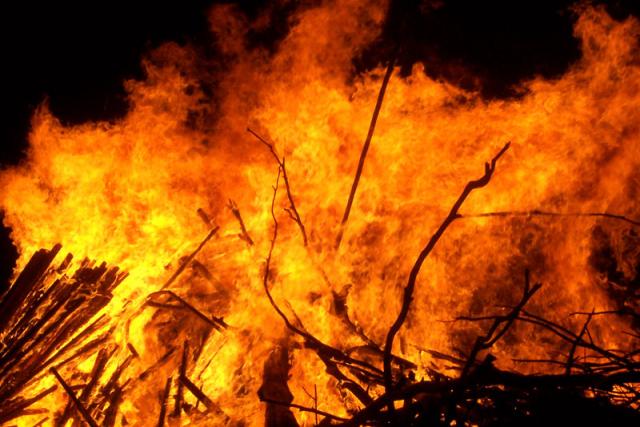
With catastrophic fire conditions already impacting parts of Southern Australia, Natural Hazards Research Australia CEO Andrew Gissing warned that the risk to life and property is at its highest level, particularly for those living in interface suburbs where residential streets meet volatile grasslands and bush.
Mr. Gissing stressed that homes in these areas are often not designed to withstand the intensity of a catastrophic blaze, making it essential for families to leave early rather than attempting to stay and defend properties.
The warning comes as the Bureau of Meteorology monitors a significant heatwave, a hazard recognized as Australia’s most frequent cause of weather-related fatalities. Local health authorities are advising residents in the north and west—regions often prone to higher ambient temperatures—to remain indoors, stay hydrated, and check on elderly neighbors or vulnerable community members. Experts also highlighted the importance of pet safety, urging owners to have clear evacuation plans that include their animals.
While much of the immediate threat involves fire and heat, the risk of flash flooding remains a critical concern for those near urban waterways and low-lying infrastructure. Research following previous flood disasters indicates that the majority of fatalities occur within 20 kilometers of a person’s home, often involving motorists who underestimate the power of moving water. Authorities are dispelling the myth that four-wheel drives offer protection, noting that 75 percent of recent flood fatalities involved such vehicles. The message to Melbourne commuters is clear: never enter floodwater, as road surfaces can be washed away beneath the surface in seconds.
To mitigate these escalating risks, emergency services are calling on households to download local emergency apps for real-time alerts and to utilize resources like the Australian Red Cross RediPlan. Essential preparedness steps include clearing flammable debris from around the home, mowing lawns, and assembling an emergency kit with a battery-powered radio and 72 hours of supplies. As climate change continues to drive more frequent and severe weather events, officials are emphasizing that a few simple actions taken now could be the difference between safety and tragedy this season.