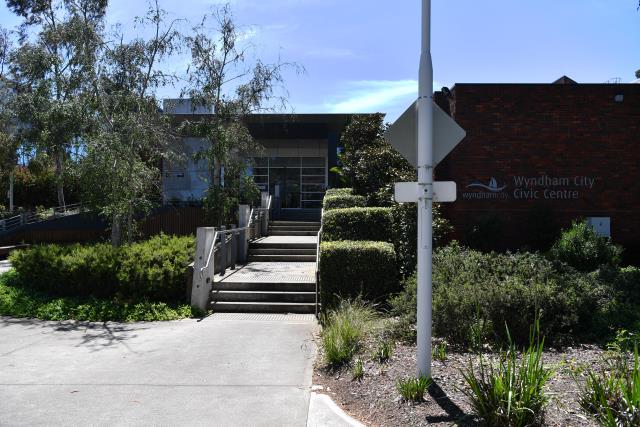
Wyndham council may consider implementing 30km/h speed limits following a study that suggests dropping resident speed zones may save lives.
On Wednesday 15 October, RMIT’s Centre for Urban Research showed that bicycle riders’ exposure to roads with high levels of traffic stress dropped by 30 per cent when the speed limit was reduced from 50km/h to 30km/h.
The findings come as Victoria enacts a new speed limit law allowing local councils to propose 30km/h limits in school zones and local streets.
A Wyndham spokesperson said council is constantly reviewing its road safety policy and would consider slashing speeds on some streets.
“Council regularly reviews the road traffic network through a safe systems lens that considers safe speeds and other safety measures,” the spokesperson said.
“In line with our Road Safety Strategy, we aim to reduce road trauma on our roads to enable everyone to get home safely and speeds are an important part of this.
“As such, we may identify suitable locations for 30 km/h precincts in the future.
“Any speed limit reductions that council proposes go through a public consultation phase to ensure we listen and consider feedback from our community.
“Safety considerations, we consider individual road characteristics, road function, traffic congestion and traffic incidents including car crash history and vulnerable road users including pedestrians and cyclists.”
Study lead author Dr Afshin Jafari said while driving at 30km/h might seem slow, the limit mostly applies to residential streets, so it has little impact on average car trips,
“Most trips should use residential streets only at the start and finish, so 30km/h rather than 50km/h on those short sections makes little difference,” he said.
“Slowing traffic makes bicycle riding less stressful, encouraging more people to choose bikes as a safe and viable mode of transport.
“Slowing down vehicles is a cheap and effective way to improve safety while we wait for longer-term infrastructure upgrades.”
While bicycle riding is often seen as the domain of city commuters, Dr Jafari said outer suburbs stood to benefit the most from lower speed limits.
“Outer suburban streets often don’t even have footpaths, let alone other infrastructure to separate bicycle riders and pedestrians from motorists.”